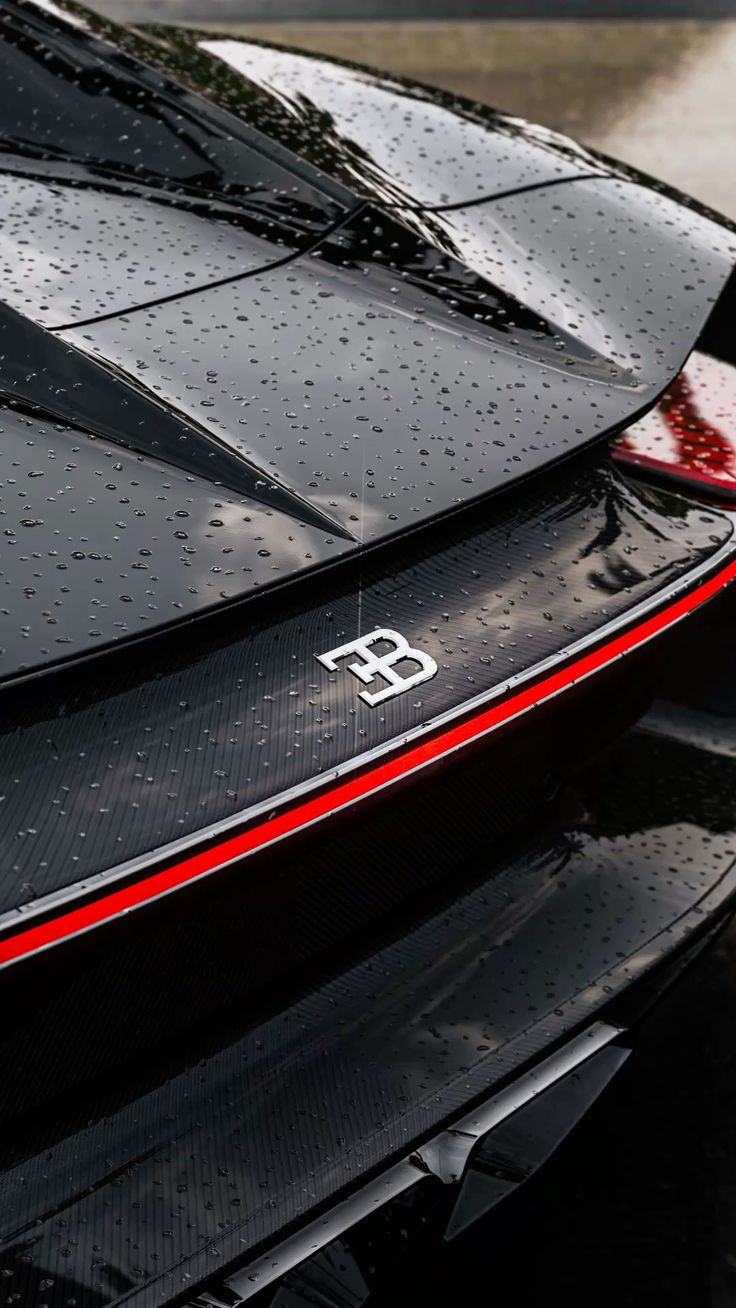

The Bugatti Bolide is an experimental, track-focused hypercar that represents the ultimate expression of the legendary W16 engine. Engineered with a minimal body and maximum aerodynamics, it delivers performance that challenges the laws of physics.
Building upon Bugatti's century-old racing heritage, the Bolide is a lightweight masterpiece, optimized for high-speed stability and extreme lateral acceleration. Every component is designed to minimize weight while maintaining structural integrity.
It is not just a car; it is a technical tour de force. From its revolutionary "dimpled" skin that reduces drag to its immense downforce, the Bolide is built for one purpose: to dominate the race track with uncompromising speed.
8.0L W16 ENGINE
QUAD-TURBOCHARGED
1850 PS MAXIMUM POWER
The Bugatti Bolide features an ultra-lightweight carbon fibre monocoque engineered to achieve a weight-to-power ratio of 0.67 kg/PS. This architectural masterpiece ensures unmatched rigidity and track performance.
Discover moreEvery surface of the Bugatti Bolide is sculpted for aerodynamic efficiency. From its active roof intake to its massive rear wing, it generates 2,600 kg of downforce at 320 km/h, pinning the car to the tarmac.
DISCOVER MORE
Experience the overall airflow simulation around the BOLIDE. Each component works together to create a cohesive aerodynamic performance profile.
The aerodynamic layout is defined by the necessity of providing sufficient cooling air to a powertrain capable of over 1000 cv while managing the extreme thermal loads generated by the hybrid system.
Derived directly from Formula 1, the signature front S-Duct channels high-pressure air through the nose and over the canopy, simultaneously creating immense downforce and reducing overall drag coefficient.
A meticulously sculpted underbody paired with specialized vortex generators creates a low-pressure zone that virtually sucks the car to the tarmac, optimizing stability at maximum velocity.
The electronically controlled rear wing continuously adjusts its angle of attack depending on dynamic inputs, operating as an airbrake under deceleration or flattening out to minimize drag on straights.